Interior Detailing
Cleaning the Dashboard and Interior Plastics
How to clean your car dashboard and interior plastics properly, without streaks, greasy residue, or damage to soft-touch trim. Step-by-step guide.
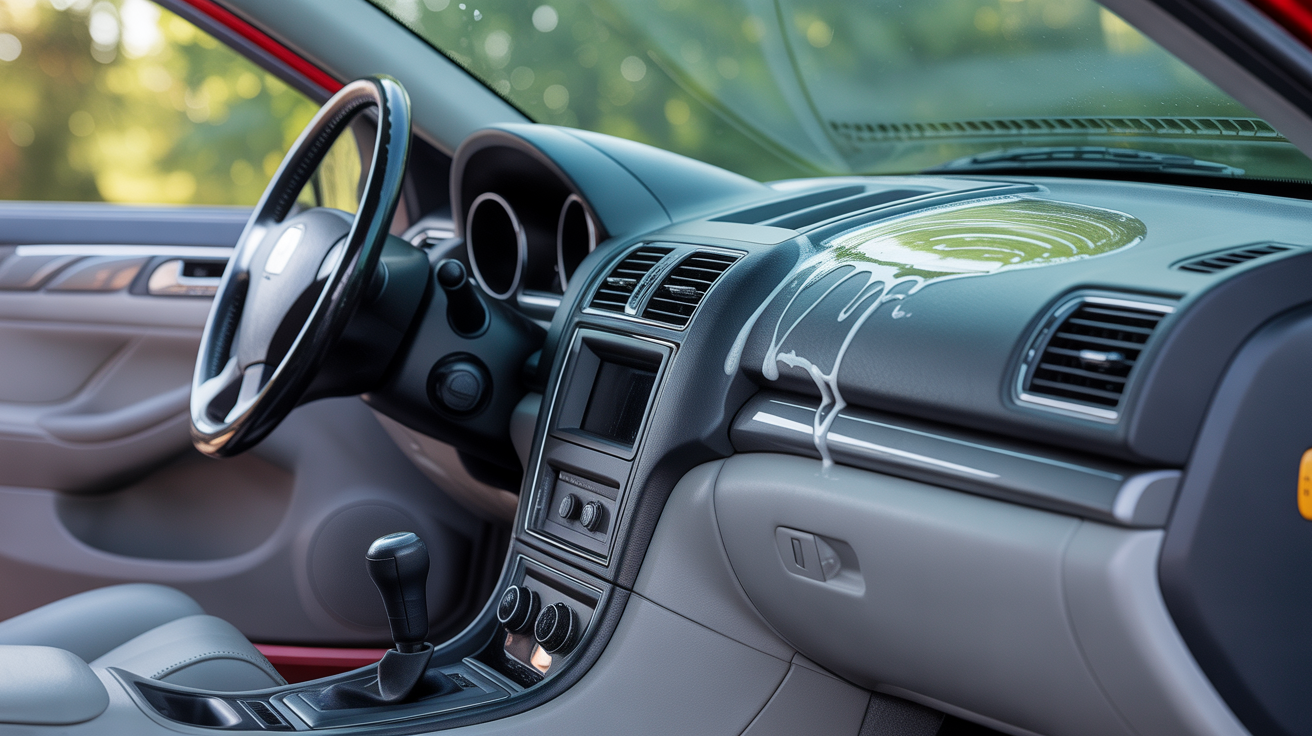
Cleaning a car dashboard takes about 20 minutes and does more for the overall look of an interior than almost anything else you can do. Dust, fingerprints, and UV haze build up fast on plastic trim, but with the right approach you can bring it back to a clean, consistent finish without leaving streaks, oily patches, or residue in the vent grilles.
What You'll Need
Gather your supplies before you start so you're not walking back to the garage mid-job with a half-cleaned dash:
- A soft-bristle detailing brush (for vents, seams, and button surrounds)
- Two or three clean microfiber towels (one for applying cleaner, one dry for buffing)
- An interior cleaner or diluted all-purpose cleaner (APC) at around 5:1 to 10:1 water-to-APC for light everyday grime
- A foam or cloth applicator pad if you plan to apply a trim dressing afterward
- Cotton swabs for switches, badge surrounds, and deep gaps
If your car has soft-touch (rubberized) panels on the dash or door cards, check the cleaner's label before using it there. Strong degreasers can lift the texture coating off soft-touch plastics with repeated use. A pH-neutral interior spray is the safer default for those surfaces.
Gloss and Piano-Black Trim
Gloss plastic panels, common on center consoles, audio surrounds, and shift bezels, scratch nearly as easily as clear coat. Use a fresh, clean microfiber every time you wipe one of these panels. A dry wipe is a bad idea on gloss plastic. Dry microfiber can drag fine dust particles across the surface and leave fine scratches that catch the light.
Step 1: Dry Dust First, Then Apply Cleaner
This is the step most people skip, and it's why dashboard cleaning can end up looking worse than when you started. Spraying any product onto a dusty surface turns that dust into a thin paste that smears across the trim and sits in texture grooves.
Use a soft detailing brush to loosen dust from vent fins, around buttons, and along the seams where panels meet. Work from the top of the dash downward so displaced dust falls onto surfaces you haven't cleaned yet. Follow the brush with a dry microfiber to capture what's been loosened.
For deep vent grilles, a small foam brush (the cheap kind sold for painting trim) fits neatly between the fins and pulls out the grey felted dust that accumulates there. It beats trying to fold a cloth into a 10mm gap.
Step 2: Wipe Down the Dashboard Surface
Lightly mist your interior cleaner onto a folded microfiber towel rather than spraying it directly onto the dash. Spraying onto the dash itself can push liquid into gauge clusters, speaker grilles, or behind infotainment screen bezels.
Wipe in overlapping passes from one side of the dash to the other. Most factory-molded plastic has a grain direction (usually diagonal or crosshatch). Wiping with the grain picks up dirt more consistently than wiping against it.
Handling Greasy or Tacky Build-Up
If the dash feels sticky or greasy, especially near air vents where hand contact is frequent, a slightly more concentrated APC on the towel helps cut through it. Work in a small area at a time and follow immediately with a dry towel to lift the residue. Avoid letting the cleaner sit on soft-touch surfaces for more than 30 seconds.
Around the Instrument Cluster and Screens
Use a folded corner of your microfiber to clean along the edge of the gauge cluster hood. A cotton swab dampened with interior cleaner reaches the gap between the cluster surround and the dash body, where a surprising amount of grime collects without being visible.
Avoid spraying anything at the gauge cluster screen or infotainment display. Wipe those surfaces with a dry cloth or one barely dampened with plain water. Some factory anti-glare or anti-fingerprint coatings on touchscreens are sensitive to alcohol and strong cleaners.
Step 3: Clean Door Panels and Other Trim Pieces
Door panels mix hard plastic, fabric, vinyl, and sometimes soft-touch sections. For the hard plastic sections (door pull handles, the map pocket lip, decorative trim strips), the process is the same as the dash: dry brush, damp microfiber wipe, dry microfiber buff.
Pay extra attention to the door pull cup. Hands go in and out of this spot all day, and it collects grease, hand lotion residue, and grime faster than anywhere else in the cabin.
The sides of the center console and the trim around the shifter often carry a heavier build-up of surface oil. A slightly stronger APC concentration (3:1 or 4:1) on a foam applicator handles this well. Rinse the applicator between passes so you're redistributing clean product rather than spreading the same dirt around.
If you're tackling the whole interior in one session, the guide on how to detail your car interior walks through the full process including seats and carpets in a logical order.
Step 4: Protect the Plastics After Cleaning
Cleaning removes the dirt, but it leaves the plastic unprotected. UV exposure degrades interior trim over time, fading the colour and causing hard plastics to crack. A light protectant slows this process.
Choosing a Trim Dressing
Most factory dashboards have a matte or low-sheen finish. A water-based interior dressing applied thinly gives a natural, consistent appearance and adds some UV inhibitors without the greasy gloss of old silicone-based sprays. Apply a small amount to an applicator pad and spread a thin, even coat across the surface. Let it sit for two to three minutes, then buff with a dry microfiber.
If the dash looks oily or shiny after dressing, you've used too much product. Wipe the excess off with a clean dry cloth and use less on the next pass. A well-applied water-based dressing should make the dash look clean and even, not wet.
For soft-touch panels, test any dressing in a small hidden spot first. Some water-based formulas leave a light residue on rubberized surfaces that is difficult to remove cleanly.
How Often to Do This
For a car driven daily, a full dashboard cleaning every four to six weeks keeps grime from building up to the point where you need heavier cleaning products. A quick dry dusting once a week takes about two minutes and makes the full cleans significantly easier.
Products to Avoid on Interior Trim
Some popular improvised cleaning solutions do more harm than good on car plastics:
| Product | Problem |
|---|---|
| Ammonia-based glass cleaner | Dries out plastic over time; can haze anti-glare screen coatings |
| Baby wipes | Leave a sticky residue film that attracts dust faster than bare plastic |
| Silicone-based tire shine | Creates a greasy film that fogs windshields in cold weather |
| Paper towels | Scratch gloss and soft-touch plastic surfaces; leave lint in vents |
| Undiluted APC | Can strip soft-touch coatings and permanently dull some trim |
If you're also cleaning the seats in the same session, handle the hard trim first, then move to upholstery. That way you avoid transferring cleaner or dressing residue onto fabric or leather. For the upholstery side of things, the guides on how to clean car seats and how to clean leather car seats cover both cloth and leather in detail.
Frequently Asked Questions
Can I use a household multipurpose spray on my car dashboard?
Most kitchen and bathroom multipurpose sprays are too harsh for automotive trim. They're formulated for hard non-porous surfaces like tile and countertops, not textured plastic, and they commonly leave a residue that dulls the finish or attracts dust quickly. An interior cleaner designed for automotive use, or a diluted APC, gives you the same cleaning power without the risk.
Why does my dashboard look white or streaky after I clean it?
Two common causes. First, the cleaner or product you used left a residue that dried on the surface, which a clean damp microfiber should remove. Second, cleaning has revealed existing UV fade that was being masked by the layer of grime. If it's the second issue, a trim restorer product can improve the appearance, though heavily faded plastics are difficult to restore fully.
How do I clean around infotainment screens safely?
Never spray anything directly at a screen. For fingerprint smudges, a dry lens cloth works well. If you need a little more cleaning action, use a microfiber barely dampened with plain water and wipe gently. Avoid alcohol-based cleaners unless your vehicle manufacturer specifically approves them, since anti-fingerprint coatings on factory screens can be sensitive to solvents.
Does interior plastic actually need UV protection?
Interior trim degrades more slowly than exterior paint, but it does degrade. A dashboard that sits under direct sunlight through the windscreen all day will fade and eventually crack without some protection. Water-based interior dressings with UV inhibitors are the practical answer here. They're not expensive, they keep the finish looking consistent, and they slow the aging process noticeably compared to leaving the plastic bare.
How do I deal with a sticky, degrading soft-touch coating?
Older soft-touch coatings can break down into a tacky surface that normal interior cleaner won't fix. A light pass with a 70% isopropyl alcohol solution on a microfiber towel often removes the degraded layer. Test in a small hidden spot first, and work in a ventilated area. If the coating is degrading broadly rather than just being dirty, some people apply a thin coat of water-based interior dressing to reduce the tackiness as a short-term fix. A proper solution is a trim restorer or having the affected panel repainted or replaced.