Interior Detailing
How to Clean Car Seats (Cloth and Leather)
Learn how to clean car seats properly, whether cloth or leather. Step-by-step methods, product tips, and mistakes to avoid.
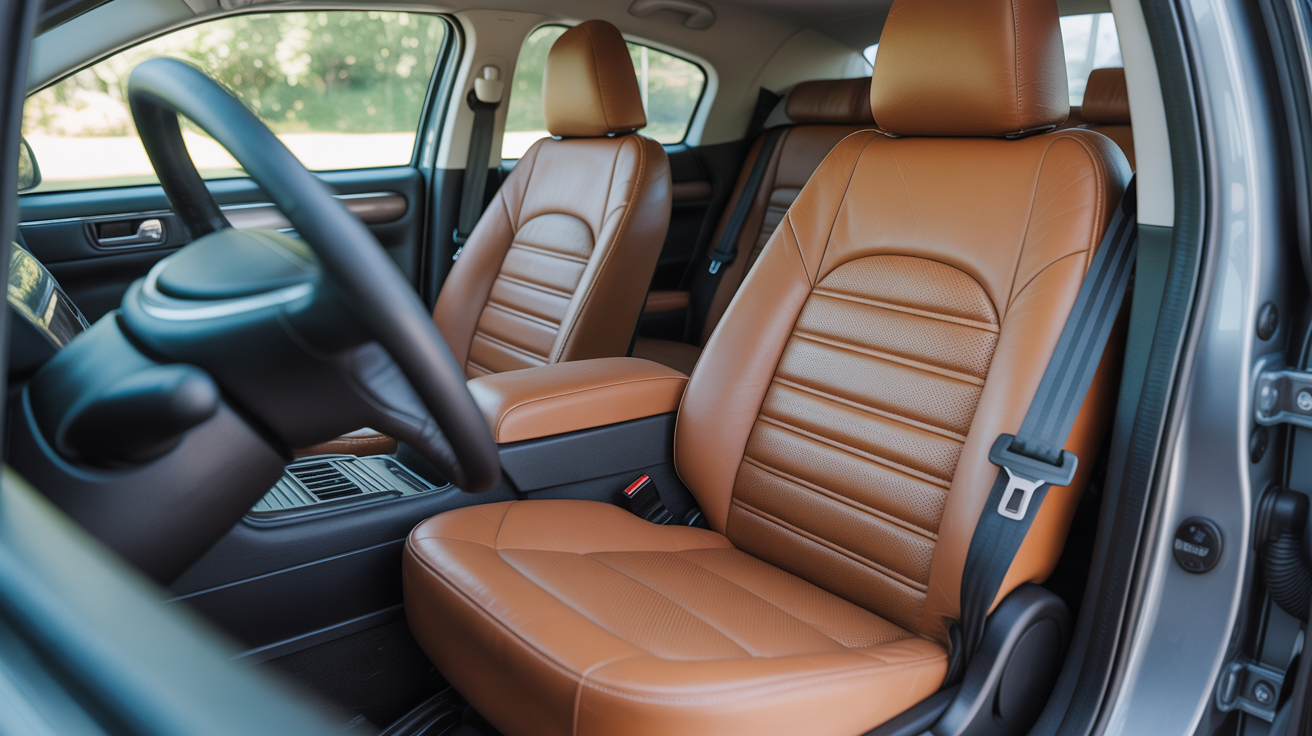
Most people tackle the dashboard and windows first, then run out of steam before they get to the seats. That is a shame, because the seats are where you actually sit, and they collect every spill, every pet visit, and every drive-through lunch. This guide covers how to clean car seats made from cloth or leather, with honest guidance on what products to buy, what tools matter, and where things go wrong.
Before you do anything, test your chosen cleaner on a small hidden area, like the back corner of a seat or the underside of a bolster. This takes two minutes and can save you from a visible stain or color change you cannot undo.
At a Glance
- Vacuum before any liquid touches the seat, dry dirt turns to mud the moment moisture hits it, and mud is far harder to extract.
- Cloth needs pre-treat, agitate, extract, and dry; skipping the extraction step is the single biggest reason DIY seat cleaning looks patchy afterward.
- Leather needs cleaner first, conditioner second. Conditioning without cleaning first just traps dirt under a fresh protective layer.
- Suede and Alcantara take neither cloth nor leather products, use only material-specific cleaners and never saturate them.
- Ventilate while you work and for a few hours after. Upholstery cleaners and leather products are VOC sources, and a damp, closed cabin is exactly the environment mold and mildew need to take hold.
- Pet dander and dust mites concentrate in upholstery. Regular vacuuming isn't just cosmetic, it's one of the control measures the EPA recommends for allergy and asthma management.
What you need before you start
The tools matter more than most people expect. A generic household sponge will push dirt around. The right brush will lift it out of the fiber and hold it there until you extract it.
For cloth seats:
- Stiff-bristled upholstery brush or a dedicated fabric cleaning brush
- Wet-dry shop vac or a portable upholstery extractor
- Several microfiber cloths
- Upholstery cleaner (look for pH-neutral, water-based formulas)
- Spray bottle with clean water for rinsing if needed
For leather seats:
- Soft-bristled detailing brush or a dedicated leather cleaning brush
- Dedicated leather cleaner (not saddle soap, not all-purpose cleaner)
- Leather conditioner
- Clean microfiber cloths, ideally low-pile
| Material | Cleaner to use | Best tool |
|---|---|---|
| Cloth / fabric | pH-neutral upholstery cleaner | Stiff upholstery brush + shop vac |
| Leather (full-grain or protected) | Dedicated leather cleaner | Soft detailing brush + microfiber cloth |
| Suede / Alcantara | Alcantara-safe foaming cleaner | Soft brush only, no water saturation |
If you are serious about detailing your car interior top to bottom, read that overview first, then come back here for the seat-specific steps.
How to clean cloth car seats
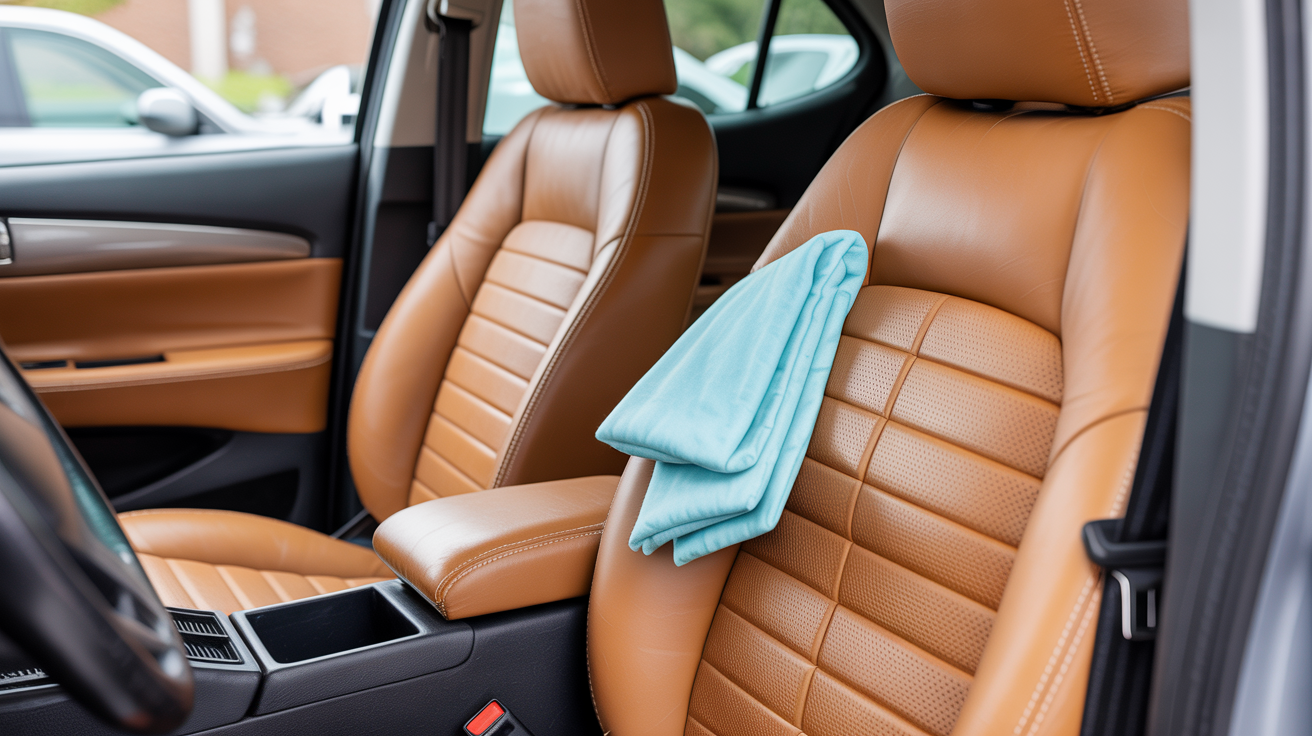
Cloth and fabric seats are by far the most common, and they trap dirt deeper than the surface suggests. The fibers hold pet hair, food particles, and spilled liquid at different depths, so the process has to move through all of them.
Step 1: Vacuum thoroughly
Vacuum before you use any liquid. Dry dirt turns into mud the moment moisture hits it, and mud is harder to extract than loose debris. Use a crevice tool to get into the seams and the gap between the seat cushion and backrest. If your vacuum has an upholstery attachment with bristles, use it on the flat sections to agitate while you pull.
Do not skip the side bolsters and the seat base. Those areas catch crumbs and grit that grind into the fabric every time someone shifts in the seat. If you share the car with a pet, this step is doing double duty: dander and shed hair accumulate in upholstery, and the EPA lists regular vacuuming of furniture and carpets as a primary control measure for pet-related asthma and allergy triggers, alongside keeping pets off upholstered surfaces where possible.
Step 2: Pre-treat stains
Spray upholstery cleaner directly onto stained areas. Let it dwell for 30 to 60 seconds. Do not let it dry on the fabric. This is where people rush, and it costs them results. The dwell time lets the surfactants break the bond between the stain and the fiber before any scrubbing begins.
For set stains like coffee, grease, or ink, a targeted upholstery stain remover gives you better odds than a general cleaner. Work from the outer edge of the stain inward to avoid spreading it into clean fabric.
Step 3: Agitate the fabric
Use your upholstery brush in short, overlapping strokes. The goal is to work the cleaner into the fibers so it lifts soil to the surface. You will see foam building as the product does its job. Some detailers prefer circular motions on tight weaves; on loosely woven fabrics, back-and-forth strokes tend to prevent snags.
Keep the seat damp, not saturated. Over-wetting takes a long time to dry and can cause mold to form in the foam padding underneath, which creates an odor problem that is much harder to fix than the original stain; the EPA notes that materials dried within 24 to 48 hours usually will not grow mold at all. That window is your real deadline for getting airflow onto a cleaned seat, not just a nice-to-have.
Step 4: Extract the moisture
A shop vac or portable extractor pulls the dirty liquid back out of the fabric. Run it over the seat in overlapping strokes, applying firm pressure, until the fabric feels barely damp to the touch. This step is where a DIY result becomes a professional one. If you let the moisture sit, dirt will wick back to the surface as the fabric dries, leaving a faint shadow of the original stain.
If you only have paper towels or dry cloths, blot, do not rub. Rubbing spreads the soil and pushes it deeper.
Step 5: Dry the seats fully
Leave the doors open or windows cracked and let the seats air dry completely before anyone sits in them. In a warm, ventilated environment, this takes two to four hours. In damp or cold conditions, point a fan at the seats or run the car's heater with windows slightly cracked. Sitting on a damp seat compresses the fibers and can lock in remaining moisture. It's the same 24-to-48-hour drying window that matters for mold prevention, so don't call the job done until the foam underneath is dry, not just the visible fabric surface.
How to clean leather car seats
Leather gets a reputation for being fussy, but the rules are simple once you know them. The main mistake is reaching for whatever is under the sink. Household cleaners, dish soap, and alcohol-based sprays strip the protective topcoat off leather over time, leaving the material dry and prone to cracking.
Step 1: Vacuum and remove loose debris
Same first move as cloth: vacuum the seats before any liquid touches them. Follow up with a quick wipe using a dry microfiber cloth to clear surface dust from the flat panels.
Step 2: Apply a dedicated leather cleaner
Spray your leather cleaner onto a microfiber cloth rather than directly onto the seat. This gives you more control over how much product you are using, especially around perforations where liquid can pool and stain the backing. Wipe in sections and use a soft leather brush on seams and stitching where soil tends to hide. Wipe away the residue with a second clean cloth before it has a chance to dry. Crack a window while you work; leather cleaners are solvent-based enough to register as VOC sources, and cleaning products broadly are a documented contributor to elevated indoor air concentrations in enclosed spaces, per EPA research on volatile organic compounds and indoor air quality.
For vehicles with semi-aniline or uncoated leather, the techniques change somewhat. The full breakdown of how to clean leather car seats covers those distinctions in detail.
Step 3: Condition after cleaning
Cleaning removes some of the natural oils that keep leather pliable. Apply a conditioner while the surface is still slightly damp from cleaning. Use a microfiber applicator and work it in with light, even pressure. Give it three to five minutes to absorb, then buff off any excess with a clean cloth.
Conditioning every two to three months prevents the fine hairline cracks that develop on neglected leather, especially in vehicles that spend time in direct sun or parked in dry climates. A seat that sits under a windshield all summer sees far more UV exposure and heat cycling than one that's garaged, so if your car lives outside, lean toward the two-month end of that range rather than three.
Suede and Alcantara: handle with care
Suede and Alcantara (the synthetic microfiber fabric that looks like suede) require a more cautious approach. Water can leave tide marks, and aggressive brushing damages the nap permanently.
Use a product labeled specifically safe for Alcantara. Apply it sparingly to a soft brush rather than pouring it directly on the surface, then work in one consistent direction. Blot dry with a clean microfiber cloth. Do not rub. Let the material dry fully before anyone touches it.
Keep oil-based products away from suede and Alcantara entirely. If you apply a leather conditioner to the rest of a mixed-material seat, tape off the suede sections first.
Cleaning frequency at a glance
Use this as a planning reference, not a rigid schedule, high-use vehicles (kids, pets, commuting with food) push toward the shorter end of each range.
| Material | Light maintenance | Full clean | Sign you're overdue |
|---|---|---|---|
| Cloth / fabric | Vacuum every 2 weeks | Every 3-4 months | Odor returns within days of airing out, or fabric looks gray in high-traffic spots |
| Leather (coated) | Wipe monthly | Clean + condition every 2-3 months | Fine hairline cracking near seams or bolsters |
| Suede / Alcantara | Brush weekly | Spot-clean as needed only | Visible sheen or flattened nap in seating areas |
FAQ
How often should I clean my car seats?
A light vacuum every two weeks keeps debris from grinding deeper into the material. Fabric seats benefit from a full clean every three to four months under normal use. Leather gets a quick wipe-down monthly and a thorough clean plus conditioning pass every two to three months.
Can I use dish soap on cloth seats?
It will shift some dirt, but it leaves a residue that attracts fresh soil and can dull the fabric color over time. A purpose-made upholstery cleaner costs about the same and does the job properly.
My cloth seats smell musty after cleaning. What went wrong?
Usually this means moisture got into the foam padding underneath and did not fully dry. Run an extraction pass and get air moving through the car immediately. Baking soda sprinkled on dry seats overnight then vacuumed out can neutralize mild odors. Persistent musty smells often need an ozone treatment or a session with a professional extractor.
Are baby wipes safe on leather?
Most contain alcohol, preservatives, or fragrance that can discolor and dry out leather finishes with repeated use. A dedicated leather cleaner is a better habit. Many wipe-style leather cleaners are packaged for convenience anyway.
Pet hair won't vacuum out of my fabric seats. What helps?
Dampen a rubber glove and drag it across the fabric with firm strokes. The rubber creates friction that pulls hair into clumps, making it easy for a vacuum to pick up. Do this step before applying any liquid.
Is it normal for leather seats to feel slightly tacky after conditioning?
A little tack right after application is normal, most of it should absorb or buff away within an hour. If seats still feel sticky the next day, you applied too much product. Wipe the surface down with a clean, barely damp microfiber to remove the excess; a thinner second coat next time gets you the same protection without the residue.