Wheels & Tires
Choosing a Wheel Cleaner and What to Avoid
Find the best wheel cleaner for your finish type. We explain pH-neutral, alkaline, and acid formulas so you pick the right one without damaging your wheels.
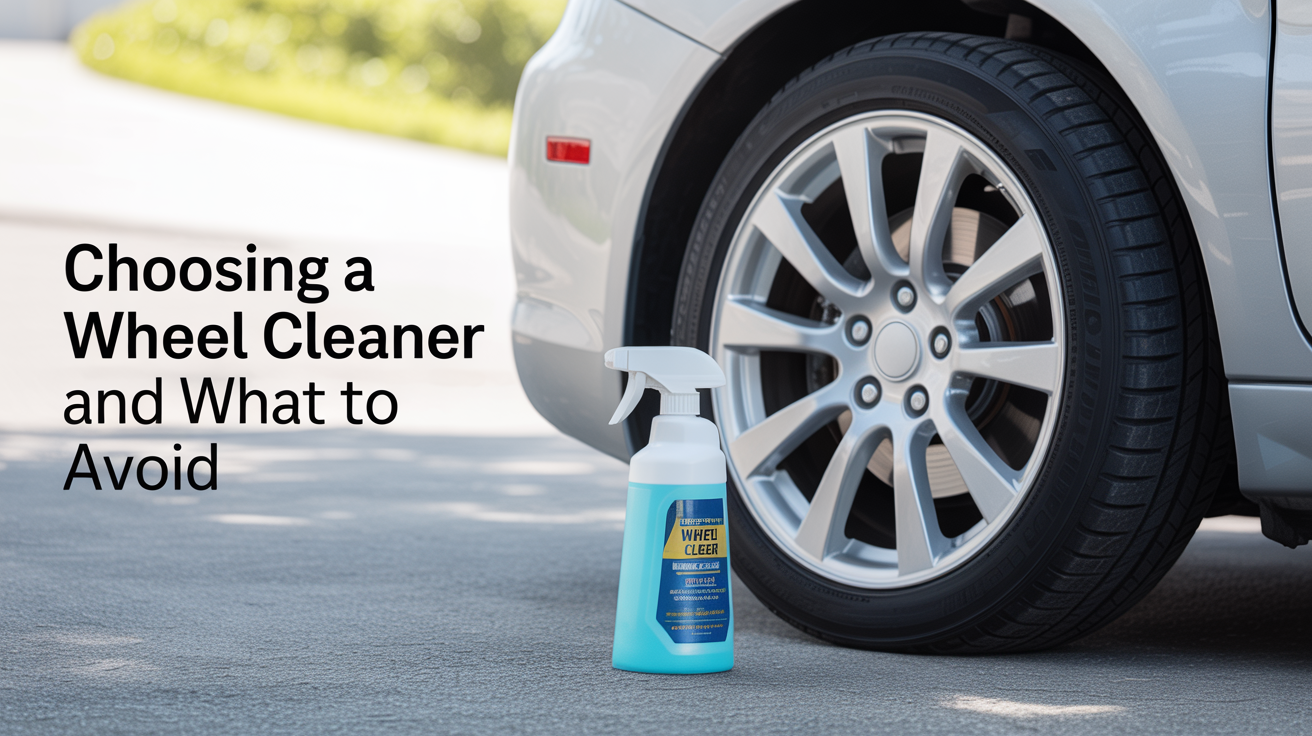
Wheels are one of the dirtiest parts of any car, and regular car wash soap doesn't come close to cutting through baked-on brake dust. The right wheel cleaner can dissolve months of contamination in minutes, but the wrong one on the wrong finish can etch, cloud, or permanently stain your wheels. Here's how to choose.
Understanding pH and Why It Matters for Wheels
The pH scale runs from 0 (most acidic) to 14 (most alkaline), with 7 being neutral. Wheel cleaners deliberately sit at different points along that scale because different contaminants respond to different chemistry.
Brake dust is a mix of iron particles, carbon, and rubber residue. Iron contamination is the main culprit behind that brown, baked-on grime you see on performance vehicles, and it responds well to iron-reactive cleaners. Road grime, road tar, and grease respond better to alkaline surfactants. Heavy mineral deposits and oxidized aluminum respond to acid.
Understanding what you're fighting helps you pick the right product the first time instead of scrubbing unnecessarily hard with something that was never designed for the job.
The Three Main Types of Wheel Cleaner
pH-Neutral Formulas
A pH-neutral wheel cleaner sits around 6.5 to 7.5 on the scale. These are the most versatile option because they're safe on virtually every wheel finish: clear-coated alloys, painted wheels, chrome, polished aluminum, and powder-coated surfaces. If you detail your own car and aren't sure what your wheel's finish is, pH-neutral is the safest starting point.
The trade-off is cleaning power. pH-neutral cleaners work fine for regular maintenance washes done every one to two weeks, but they won't tackle months of baked brake dust on their own. You'll need to agitate with a wheel brush and possibly let the product dwell for three to five minutes longer than the label suggests.
Many pH-neutral formulas also contain iron-reactive chemistry as an additive. These turn purple or red on contact with ferrous contamination, which is useful because it shows you exactly where the brake dust is hiding before you even pick up a brush.
Alkaline Cleaners
Alkaline wheel cleaners typically sit between pH 9 and pH 11. They cut through oily residue, road grime, and general grease faster than neutral cleaners, and they're what many professional detailers reach for on daily-driver wheels with regular contamination.
The risk is finish compatibility. Strong alkaline products can strip wheel wax or sealant, dull certain matte finishes, and cause problems on uncoated or polished bare aluminum over repeated use. Always check the product label for finish compatibility before buying. If it doesn't specify your finish type, that's a reason to pause.
Acid Cleaners
Acid wheel cleaners (typically pH 2 to 4) are the most aggressive option. They excel at dissolving oxidation from bare aluminum, mineral deposits from hard water, and severe industrial fallout. Some are formulated specifically for chrome brightening.
These products deserve real respect. Leaving an acid cleaner on a clear-coated wheel for too long, or using it on a polished finish not rated for acid, can cause permanent etching. If the label doesn't explicitly list your wheel type as safe, don't use it. Rinse thoroughly within the manufacturer's dwell time, which is usually 30 to 90 seconds for full-strength formulas.
Matching the Cleaner to Your Wheel Finish
This is where most mistakes happen. The best wheel cleaner is always the one appropriate for your specific wheels.
Clear-coated alloy wheels (the most common type on modern cars): pH-neutral or mild alkaline cleaners are both fine. Avoid strong acids, as they can compromise the clear coat layer with repeated use.
Painted wheels (color-matched or satin-finish): pH-neutral only. Alkaline and acid formulas can attack paint over time, especially on softer factory finishes.
Chrome wheels: pH-neutral is your baseline. Some chrome-specific acid cleaners exist, but read the label carefully and don't let them dwell more than the stated time.
Polished bare aluminum: This finish oxidizes quickly and responds well to acid cleaners formulated specifically for it. However, you'll need to re-protect with a wheel wax or sealant after each acid wash, because clean aluminum oxidizes again fast. A mild alkaline cleaner works too if you agitate thoroughly with a brush.
Powder-coated wheels: Generally durable and compatible with a wide range of cleaners, but pH-neutral remains the safest default because some powder coatings aren't as robust as they look, particularly on budget aftermarket wheels.
Anodized or specialty finishes (brushed, satin-black, etc.): Check with the wheel manufacturer. Some anodized surfaces react badly to both strong alkalines and acids, and damage to these finishes is expensive to repair.
How to Get the Best Results from Any Wheel Cleaner
A few habits make any product work better.
Always work on cool wheels. Hot metal from recent driving accelerates chemical reactions in unpredictable ways, especially with acid cleaners. If you've just parked, give the wheels 15 to 20 minutes before applying anything. This also prevents the cleaner from drying before you can rinse it off, which causes staining and wastes the product.
Work one wheel at a time. Spraying all four wheels and then starting with the first one means the cleaner on wheels two through four has been sitting longer than intended. Spray, dwell, agitate, rinse, then move on.
Use the right brush for each area. A soft-bristle wheel brush handles the face and spokes. A narrow lug nut brush gets into the holes where brake dust cakes hardest. For removing brake dust from wheels, combining the right cleaner with physical agitation produces noticeably better results than relying on chemistry alone.
Follow the dwell time. Most cleaners need one to five minutes to dissolve contamination before rinsing. Rinsing too early wastes the product. Waiting too long with an acid formula risks damage. Set a timer.
For a complete step-by-step walkthrough, the guide on how to clean car wheels and rims covers the full process in detail.
What to Avoid
Mixing product types on a wet surface. Don't spray an acid cleaner over a wheel still wet with an alkaline product. The neutralization reaction can cause unexpected staining and wastes both products.
Using wheel cleaner on hot brakes or rotors. Wheel cleaners aren't designed for brake components. There's no performance benefit to getting cleaner on your rotors, and some formulas can be corrosive to brake hardware and caliper paint.
Letting any cleaner dry on the surface. This is the single most common cause of wheel damage from cleaning. Dried cleaner concentrates on the surface and can leave etch marks that require polishing to remove. Work in shade, work quickly, and rinse before the product dries.
Assuming "car wash safe" means "wheel safe." Some all-purpose cleaners and touchless car wash soaps are labeled safe for painted surfaces but contain chemistry that's either too mild for serious wheel contamination or, in some formulations, too aggressive for certain wheel coatings. Use products specifically formulated for wheels.
Skipping protection after cleaning. After deep-cleaning your wheels, applying a wheel wax, sealant, or a simple spray coating gives brake dust and road grime much less to bond to on the next drive. This makes the next wash faster and reduces how often you need strong chemistry.
Frequently Asked Questions
Can I use a pH-neutral wheel cleaner every week?
Yes. pH-neutral formulas are designed for regular use and won't degrade your wheel's finish or strip protection aggressively with frequent washing. If your wheels pick up a lot of brake dust from track use, spirited driving, or larger rotors, weekly washing is completely reasonable.
Is an acid wheel cleaner safe for routine maintenance?
No. Acid cleaners are for periodic deep-cleaning, not routine maintenance. Using them weekly will accelerate oxidation on uncoated aluminum and can degrade clear coat over time. Reserve them for quarterly decontamination sessions or when you need to remove heavy mineral deposits or severe oxidation.
What's the purple reaction that appears in some wheel cleaners?
That color change is an iron-reactive indicator. The formula contains a compound that binds to ferrous iron particles from brake pad material and turns purple or red to signal the reaction. It's a useful diagnostic. A strong color reaction means your wheels had significant iron contamination; a mild reaction means they were fairly clean to start. Either way, the color shows the chemistry is working.
Do I need a separate cleaner for my tires?
A wheel cleaner used on rubber won't damage it, but it won't clean as efficiently as a dedicated tire cleaner or all-purpose cleaner formulated for rubber. For a complete finish, clean the wheels first, then dress the tires separately. The guide on how to apply tire shine the right way covers that next step.
How do I know if my wheels are clear-coated or bare polished aluminum?
Run a clean white microfiber across the wheel surface in an inconspicuous spot. If it picks up a gray or silver residue, the wheel surface is bare or lightly polished aluminum. If the towel stays clean, the wheel has a coating (clear-coat, powder, or paint) over the metal. Bare aluminum needs more caution with acid products and benefits from a protective coating after cleaning.