Protection & Coatings
Wax vs Sealant vs Ceramic Coating
Wax, sealant, or ceramic coating — which paint protection is right for your car? We break down durability, cost, and ease of use.
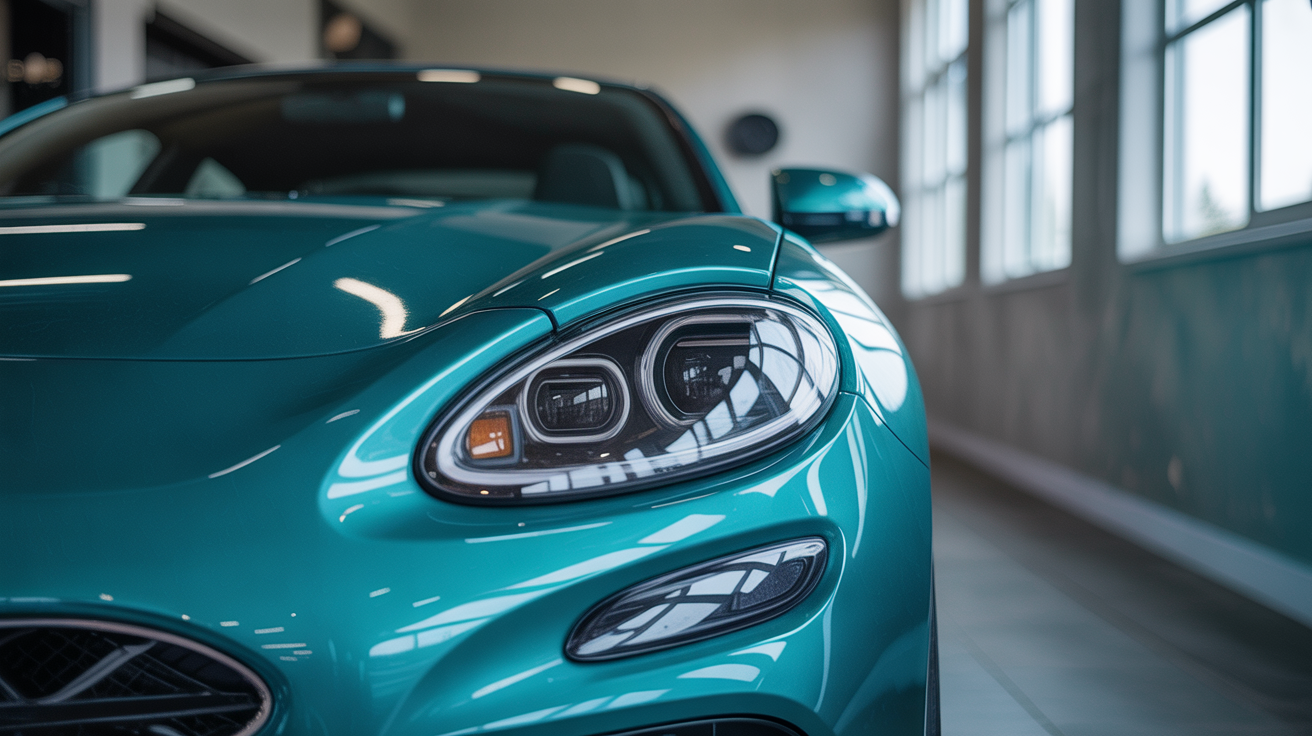
Walk into any detailing forum and you'll find the same argument playing out in dozens of threads: wax vs sealant vs ceramic coating. Everyone has a favorite, and everyone thinks the other guys are wrong. The truth is that all three products protect your paint, but they do it differently, last different lengths of time, and suit different types of owners. Knowing what each one actually is makes the choice straightforward.
At a Glance
- Carnauba wax gives the warmest, deepest gloss but lasts only 4 to 8 weeks. It's a ritual product for people who enjoy the process, not a low-maintenance choice.
- Paint sealants are fully synthetic and sit in the middle: 4 to 12 months of protection, easy application, and a cleaner, crisper gloss than wax.
- Ceramic coatings bond chemically to the clear coat rather than sitting on it. Professional-grade versions last 2 to 5+ years; consumer versions typically run 6 to 18 months.
- None of these products stop rock chips or deep scratches. They protect against UV, minor chemical contamination, and oxidation, not physical impact.
- Cost scales with durability. Wax runs $15 to $40 and needs monthly reapplication; a professional ceramic coating runs $600 to $2,500+ but is a multi-year investment.
- The products layer. You can top a cured ceramic coating with a spray sealant booster, but you generally can't get a wax to bond well over one.
What each product is
Carnauba wax comes from the leaves of a Brazilian palm tree, specifically the carnauba palm, Copernicia prunifera, native to northeastern Brazil. It's a natural substance that detailers have been using since the 1920s, and for good reason: when properly applied and buffed out, it produces a warm, deep glow that synthetic products often can't match. The wax itself has a melting point of roughly 82 to 86 degrees Celsius (180 to 187 degrees Fahrenheit), notably higher than beeswax, but it's still soft relative to synthetic polymers. That softness is why wax protection tops out at around four to eight weeks under normal driving conditions. Rain, UV exposure, and regular washing all shorten that window.
Synthetic wax is sometimes called a paint sealant (more on that term below). These products use polymer chains instead of plant-derived waxes, which means they bond more firmly to the clear coat and hold up longer. A good synthetic wax or entry-level sealant typically lasts three to six months. The gloss tends to look crisper and brighter than carnauba rather than warm and "wet," so it depends on what aesthetic you're after.
Paint sealants occupy the middle ground between waxes and ceramic coatings. They're fully synthetic polymer products that are designed specifically for durability, with some quality sealants claiming six to twelve months of protection. Application is similar to wax: spread a thin layer, let it haze, wipe it off. Spray sealants are a popular variation because they can go on after a wash and take almost no time. They don't last as long as a traditional wipe-on sealant, but they're a useful way to maintain protection between full applications.
Ceramic coatings are a different category entirely. They're liquid polymer products (typically SiO2-based, sometimes combined with TiO2) that bond chemically to the clear coat rather than sitting on top of it. Once cured, a ceramic coating becomes part of the paint's surface. The hardness and durability come from the underlying chemistry of silicon dioxide itself, which forms a rigid, cross-linked three-dimensional network where each silicon atom bonds to four oxygen atoms; that same tetrahedral network structure is what makes quartz and other silica-based materials so hard and chemically stable in the first place. Quality professional-grade coatings can last two to five years or longer. Consumer-grade versions that come in spray or wipe-on form last considerably less than that, typically six to twelve months, but they still offer better hardness and hydrophobic performance than wax. If you want to understand what the product category actually involves, this breakdown of ceramic coatings covers the chemistry and realistic expectations.
Durability, gloss, and protection compared
Durability is the biggest practical difference when you're comparing these paint protection types.
| Type | Durability | Difficulty | Cost (DIY) | Best for |
|---|---|---|---|---|
| Carnauba wax | 4-8 weeks | Easy | $15-$40 | Show cars, warm gloss lovers |
| Synthetic wax | 2-4 months | Easy | $20-$50 | Weekend detailers who enjoy the process |
| Paint sealant | 4-12 months | Easy-moderate | $25-$70 | Daily drivers, low-maintenance owners |
| Spray sealant | 4-8 weeks | Very easy | $15-$35 | Maintenance between full applications |
| Ceramic coating (consumer) | 6-18 months | Moderate | $50-$150 | DIYers wanting longer protection |
| Ceramic coating (professional) | 2-5+ years | Difficult | $600-$2,500+ | Long-term investment, paint correction first |
Gloss is subjective, but the general consensus among detailers holds: carnauba wax produces the warmest, most depth-driven shine. Sealants produce a cleaner, sharper gloss. Ceramic coatings produce intense reflectivity with strong hydrophobic behavior, meaning water beads up and sheets off aggressively.
Protection against environmental damage, UV rays, and minor chemical contaminants increases as you move from wax toward ceramic. None of these products stop rock chips or deep scratches. That's a common misconception about ceramic coatings in particular.
A worked cost comparison over three years
Numbers make the trade-off concrete. Assume a typical midsize sedan and DIY application throughout.
| Approach | Product cost over 3 years | Application time over 3 years | Total sessions |
|---|---|---|---|
| Carnauba wax, reapplied every 6 weeks | ~$310 (26 applications x $12 avg product use) | ~20 hours | 26 |
| Synthetic wax, reapplied every 3 months | ~$180 (12 applications) | ~9 hours | 12 |
| Paint sealant, reapplied every 8 months | ~$140 (4-5 applications) | ~4 hours | 4-5 |
| Consumer ceramic coating, reapplied every 14 months | ~$180 (2-3 applications plus boosters) | ~10 hours (heavier prep each time) | 2-3 |
| Professional ceramic coating, one application | $600-$1,200 upfront, boosters ~$60/yr after | ~1 hour/year for maintenance boosters | 1 install |
The wax habit costs the most in both money and time over three years if you stay consistent with a six-week cycle, which is exactly why so many owners drift toward sealants once the novelty wears off. The professional ceramic route has the highest single upfront cost but the lowest ongoing time commitment by a wide margin.
Ease of application
Wax is the most forgiving product to apply. The main skill involved is learning to work in thin, overlapping passes and not letting it dry too long in hot sun. Applying car wax by hand takes maybe 45 minutes on a midsize sedan, and mistakes are easy to correct with a damp cloth.
Sealants work on the same principle. Spread thin, let it haze (usually five to ten minutes depending on temperature), buff off with a clean microfiber. The main thing to watch is that some sealants are more sensitive to surface prep than waxes, so a properly decontaminated panel matters more.
Ceramic coatings demand the most preparation and the most care during application. For a consumer product, you need a clean, clay-barred, and ideally polished surface. The coating goes on in small sections with an applicator block, and you wipe the high spots before the product flashes too quickly and hazes in a way that's difficult to remove. Errors in application (missed spots, high spots, streaks) can require machine polishing to fix. Professional installers do paint correction before a multi-year coating specifically to ensure there's nothing trapped underneath.
The practical takeaway: wax and spray sealants are genuinely beginner-friendly. Full sealants require slightly more surface prep discipline. Ceramic coatings, especially the professional-grade ones, have a meaningful learning curve.
Cost breakdown
Wax and sealant are accessible products. A quality carnauba paste wax costs $20 to $40. A solid synthetic sealant runs $25 to $70. Neither requires a machine polisher, and both can be applied by hand with minimal accessories.
Consumer ceramic coatings cost more upfront ($50 to $150 for a reputable product), and you'll also need prep supplies: a clay bar kit, possibly a panel wipe, applicator blocks, microfibers rated for coating work. Budget $150 to $250 total for a first-time DIY ceramic application on one car.
Professional ceramic coatings are the significant investment. You're paying for the detailer's labor (paint correction takes hours), a professional-grade coating product, and their expertise to get a streak-free result. Quotes of $600 to $1,200 for a basic professional coating are normal. High-end packages with multiple layers and longer warranties go well above that.
If you're choosing based on annual cost, waxing every six weeks over a year costs the same or more than applying one good sealant in January and being done with it.
Who each product suits
Certain paint protection types fit certain situations better than others.
- Carnauba wax suits classic car owners, show car enthusiasts, and anyone who genuinely enjoys the ritual of waxing on a Saturday morning. The warm gloss is real, and the frequent application cycle keeps you engaged with your paint's condition.
- Synthetic wax or entry-level sealant suits weekend detailers who want more durability than carnauba but still want to apply the protection themselves without a steep learning curve.
- Full paint sealant suits daily drivers and people who want competent protection with minimal time commitment. Apply it twice a year, wash regularly, and your paint stays protected.
- Consumer ceramic coating suits enthusiasts who want long-term hydrophobic performance and are willing to invest in proper prep. The six-to-eighteen-month range is realistic if you prep correctly.
- Professional ceramic coating suits people with newer or high-value vehicles who want the best available protection and aren't interested in doing it themselves. It's a legitimate investment if you plan to own the car for several years.
Layering and maintenance
One point that often gets lost in the car wax vs sealant comparison: these products aren't mutually exclusive. You can apply a wax over a fully cured sealant to add a layer of warmth to the gloss and sacrifice protection, since the wax will wear off first and you'll reapply sooner. You can top a ceramic coating with a compatible spray sealant or "ceramic booster" spray to refresh hydrophobic behavior between annual maintenance washes.
What you can't do effectively is apply a wax or traditional sealant over a fresh ceramic coating before it's fully cured (typically 24 to 48 hours minimum, sometimes longer in cool weather), or expect a ceramic coating sprayed over unwashed paint to perform properly.
FAQ
How long does car wax actually last? Carnauba wax realistically lasts four to eight weeks on a daily driver, less if you wash frequently or park outside in direct sun. Synthetic waxes stretch that to two to four months. If you're seeing beading disappear after a few weeks, it's time to reapply.
Is ceramic coating worth it for a regular daily driver? It depends on what you value. If you want to skip waxing every month and you're willing to prep the surface properly once, a consumer ceramic coating can make sense financially over one to two years. A professional coating is harder to justify unless the vehicle is relatively new or the paint has significant value to you.
Can you wax over a ceramic coating? You can, but it's largely pointless. The wax won't bond well to the ceramic surface, will last even less time than usual, and adds little to the protection the coating already provides. If the coating's hydrophobic properties have faded, a ceramic spray booster is the right maintenance product.
What's the difference between a paint sealant and a ceramic coating? Both are synthetic polymer products, but a sealant sits on top of the clear coat and is removed by washing over time. A ceramic coating bonds chemically to the clear coat at a molecular level and can only be removed by machine polishing. That's why ceramic coatings last years rather than months.
Do I need to polish before applying a sealant or coating? Not always. Waxes and sealants can go over paint that's been washed and decontaminated (clay bar), even if the paint has minor swirls. A ceramic coating, especially a professional one, is worth polishing before application because the coating seals in whatever condition the paint is in. Swirls under a multi-year ceramic look permanent because they effectively are.
Does ceramic coating actually make the paint harder? The coating itself cures into a hard, glass-like layer on top of the clear coat, and that layer resists chemical etching and light scratching better than an uncoated clear coat does. It doesn't change the hardness of the factory clear coat underneath, though, which is why a ceramic-coated car can still be swirled or chipped; the coating is a sacrificial hard layer, not an upgrade to the paint itself.
How do I know when it's time to reapply, no matter which product I'm using? Water behavior is the simplest signal across all three categories. When water stops beading tightly and sheeting off, and instead spreads into flat sheets that cling to the paint, the hydrophobic layer has broken down significantly, whether that's a wax at six weeks or a ceramic coating at eighteen months. That's your cue to wash, decontaminate, and reapply rather than waiting for visible dulling.