Interior Detailing
How to Clean Car Carpets and Floor Mats
Learn how to clean car carpet and floor mats properly, tackle tough stains, and dry everything fast with steps you can do in your driveway.
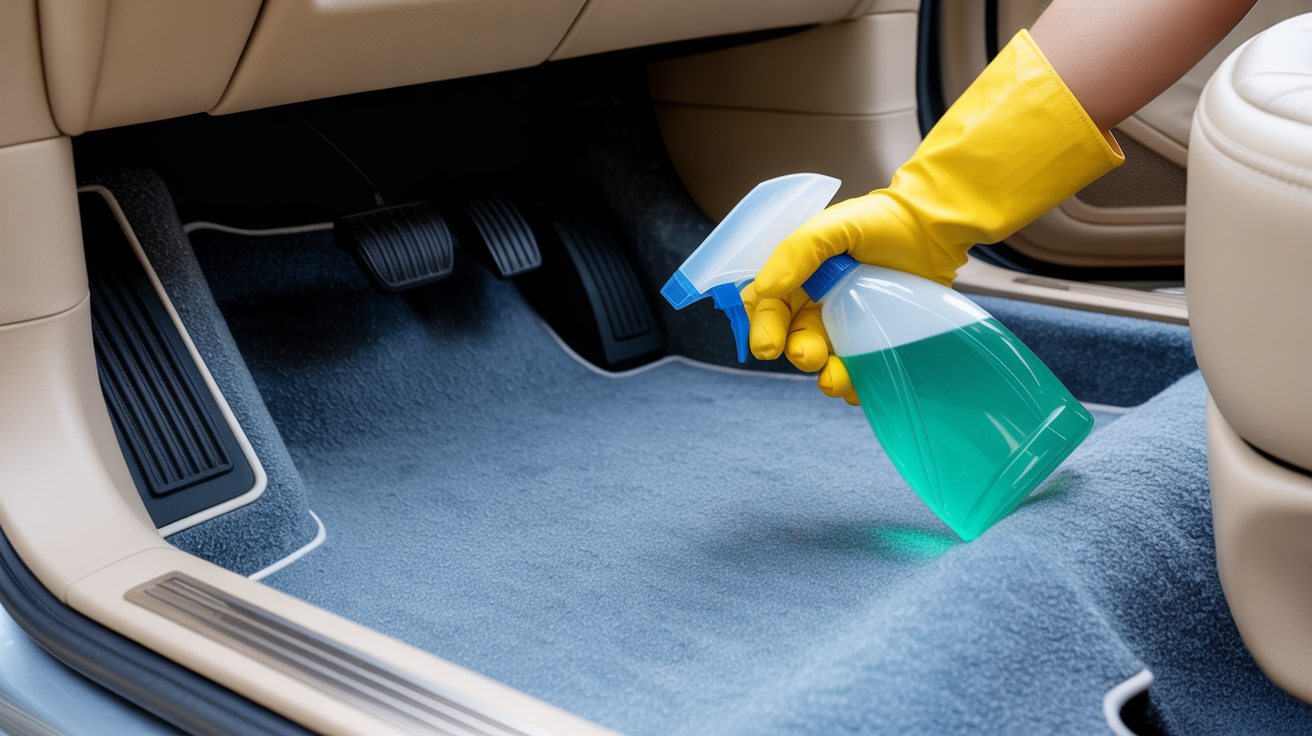
Car carpet gets grimier than almost any other surface inside the cabin, and a vacuum alone rarely gets it truly clean. The good news is that a proper clean only needs a few products, takes about 90 minutes, and can pull out stains that have been sitting there for years.
Before anything else, pull the floor mats out. Cleaning the mats separately from the carpet underneath is what separates a thorough job from a quick tidy.
What You'll Need
You don't need much, but the right tools make the job significantly faster.
For vacuuming:
- Shop vac or a high-suction car vacuum (household upright vacuums rarely reach under seats)
- Crevice tool attachment
- Stiff-bristle brush (optional, for agitating carpet pile before vacuuming)
For cleaning:
- Carpet and upholstery cleaner spray (enzyme-based formulas work well on organic stains)
- A bucket of warm water
- Two or three microfiber towels
- A medium-stiffness scrub brush (not wire)
- Extractor or wet/dry vac (highly recommended, speeds drying dramatically)
For mats:
- Garden hose or pressure washer on a low setting
- All-purpose cleaner or dedicated mat cleaner
- Stiff brush
Cleaning the Floor Mats First
Getting the mats out first gives you room to work inside the car and lets the mats air dry while you tackle the carpet underneath.
Rubber and Vinyl Mats
Rubber mats are the easiest thing to clean in a car. Take them out, shake off any loose dirt, then rinse with a hose. Mix a small amount of all-purpose cleaner with water (about 1 oz / 30 ml per quart / 950 ml), scrub with a stiff brush, and rinse thoroughly. Stand them up or hang them to drip dry. Avoid leaving rubber mats in direct sun for more than 30 minutes, as prolonged UV exposure can make them brittle over time.
One thing to check: the anti-slip nibs on the underside. Mud and grit pack into those channels and get tracked back into the car. Scrub the underside too and rinse until the water runs clear.
Fabric and Carpet Floor Mats
Fabric mats need a bit more effort. Shake them out first, then vacuum both sides before getting them wet. Wetting a mat that still has loose grit will just grind that grit deeper into the fibers when you scrub.
Once vacuumed, spray them with a carpet cleaner, work it in with a brush using back-and-forth strokes (not circular), and let it dwell for 2 to 3 minutes. Rinse with a hose on a gentle setting or blot with a damp towel. Squeeze out as much moisture as possible and prop them up somewhere with good airflow to dry. Fabric mats can take 2 to 4 hours to dry fully, so start here before doing anything else.
For deep-set stains on fabric mats, try soaking the area with a diluted enzyme cleaner and leaving it covered with a damp towel for 10 to 15 minutes before scrubbing. Enzymes break down organic material at a molecular level rather than just lifting the surface layer.
Cleaning the Car Carpet
With the mats out, you can see what you're actually dealing with. Most car carpets are a loop-pile construction bonded to a dense foam backing. The pile traps fine dirt, pet hair, and spilled liquids all the way to the base, which is why vacuuming alone often just moves the debris around.
Step 1: Vacuum Thoroughly
This is the step people rush, and they regret it later. Spend at least 10 minutes vacuuming before any liquid touches the carpet.
Use the crevice tool to get into the gap where the carpet meets the door sills, under the seat rails, and the corners of the footwells. Move the front seats as far forward and as far back as they'll go to access the full footwell and the area under the rear seats.
If the carpet pile is matted flat, run a stiff brush against the grain first to lift it. This frees up debris the vacuum couldn't otherwise reach. Vacuum again after brushing.
Step 2: Pre-Treat Stains
Deal with stains before general cleaning, not after. Once you wet the whole carpet, it becomes much harder to focus on specific spots.
For coffee, mud, or food stains, spray the area with carpet cleaner and let it sit for 3 to 5 minutes. Blot, don't rub, with a clean microfiber towel. Rubbing spreads the stain and pushes it deeper. Repeat the spray-dwell-blot cycle two or three times for older stains.
For grease or oil (common in cargo areas from grocery bags), use a degreaser diluted to about half strength. Apply, agitate gently with a brush, then blot. Rinse the spot with a damp towel before the rest of the clean.
For car mat stains that have transferred onto the carpet beneath, the same approach works. The main difference is that those stains are often older and compressed, so a longer dwell time (5 to 10 minutes) helps.
Step 3: General Carpet Clean
Spray the carpet cleaner across the entire footwell in sections. Work in one footwell at a time so you're not crawling over wet carpet. Use your scrub brush in short, overlapping strokes along the carpet grain direction, then against it, to agitate the entire pile.
Don't soak the carpet. Car carpet backing can hold moisture for days if it gets saturated, which leads to mildew and a sour smell that's very difficult to get out. A light, even application is enough. The product needs to contact the fibers, not pool in them.
Step 4: Extract or Blot the Moisture
This step makes the biggest difference between a carpet that smells like a wet dog for three days and one that's dry by evening.
If you have a wet/dry vac or extractor, use it to pull the cleaning solution and loosened dirt out of the fibers. Overlap each pass by about half the nozzle width. You'll likely see the water in the collection tank turn brown.
Without an extractor, press a dry microfiber towel firmly onto the carpet and hold pressure for 5 to 10 seconds, then move to a fresh section. This isn't as thorough as extraction, but it removes a meaningful amount of moisture and product.
For a full look at how the carpet clean fits into the broader interior job, see how to detail your car interior.
Drying the Carpet
Proper drying matters as much as the clean itself. Trapped moisture causes odors and, over time, mold in the foam backing.
Leave all the doors and windows open while the carpet dries. If you're in a garage, a box fan pointed at the footwells speeds things up considerably. In warm weather (above 70°F / 21°C), a clean carpet can dry in 2 to 3 hours with doors open. In cooler or humid conditions, give it 4 to 6 hours before replacing the mats.
Don't reinstall the floor mats until the carpet underneath is completely dry. Trapping moisture between the mat and carpet is exactly how mildew starts.
If you need to drive the car before everything is fully dry, crack a window and run the heat on the footwell vents for 15 to 20 minutes. Heat dramatically accelerates evaporation.
Keeping Carpet Cleaner Between Full Cleans
A few habits extend the time between deep cleans. Keep a small trash bag in the car to catch wrappers and receipts before they grind into the carpet. Use all-weather rubber mats if you live somewhere with wet winters, as they contain mud and slush that would otherwise saturate the fabric underneath. And vacuum the footwells weekly, even for just 2 to 3 minutes. Regular vacuuming prevents soil from compacting to the point where liquid cleaning becomes necessary.
For maintaining everything else in the cabin, how to clean car seats, cloth and leather covers seat fabrics and surfaces with the same practical approach.
Frequently Asked Questions
Can I use a steam cleaner on car carpet?
Yes, with some caution. Steam works well for sanitizing carpet and lifting ground-in soil without chemicals. Keep the nozzle moving and don't hold it in one spot, as excessive heat can loosen the carpet adhesive on some vehicles. Follow up with a dry towel or extractor to pull the moisture out before it soaks into the backing.
How do I get a musty smell out of car carpet?
The smell usually comes from moisture trapped in the backing foam. After a thorough clean and full dry, sprinkle baking soda over the carpet, leave it for an hour, then vacuum it up. For persistent odors, an enzyme odor eliminator sprayed onto the carpet (not soaked in) and allowed to air dry is more effective than masking sprays. If the smell keeps coming back, check for a leak around the door seals or sunroof drain tubes.
What's the best thing to clean car mats with?
For rubber mats, a diluted all-purpose cleaner and a stiff brush handle almost any soil, including caked mud. For fabric mats, a dedicated carpet and upholstery spray with enzyme action handles organic stains better than general-purpose cleaners. Avoid dish soap on fabric mats since it leaves a residue that attracts dirt faster after cleaning.
How long does it take for car carpet to dry after cleaning?
With doors open in warm, dry weather, carpet dried by blotting takes about 3 to 4 hours. Using a wet/dry vac or extractor shortens that to 1 to 2 hours. In humid or cool conditions, count on 5 to 8 hours. Running the car's heater on the footwell vents for 15 to 20 minutes is the fastest low-effort option when you need to get moving.
How often should I deep-clean car carpet?
For most cars, a thorough wet clean two or three times a year is reasonable. High-use vehicles or those carrying kids or pets often need it monthly. Regular vacuuming between deep cleans does a lot of work on its own and makes each wet clean faster and easier.