Protection & Coatings
How to Maintain a Ceramic Coating
Learn how to maintain a ceramic coating with the right wash routine, spray toppers, and contamination fixes that keep the protection working for years.
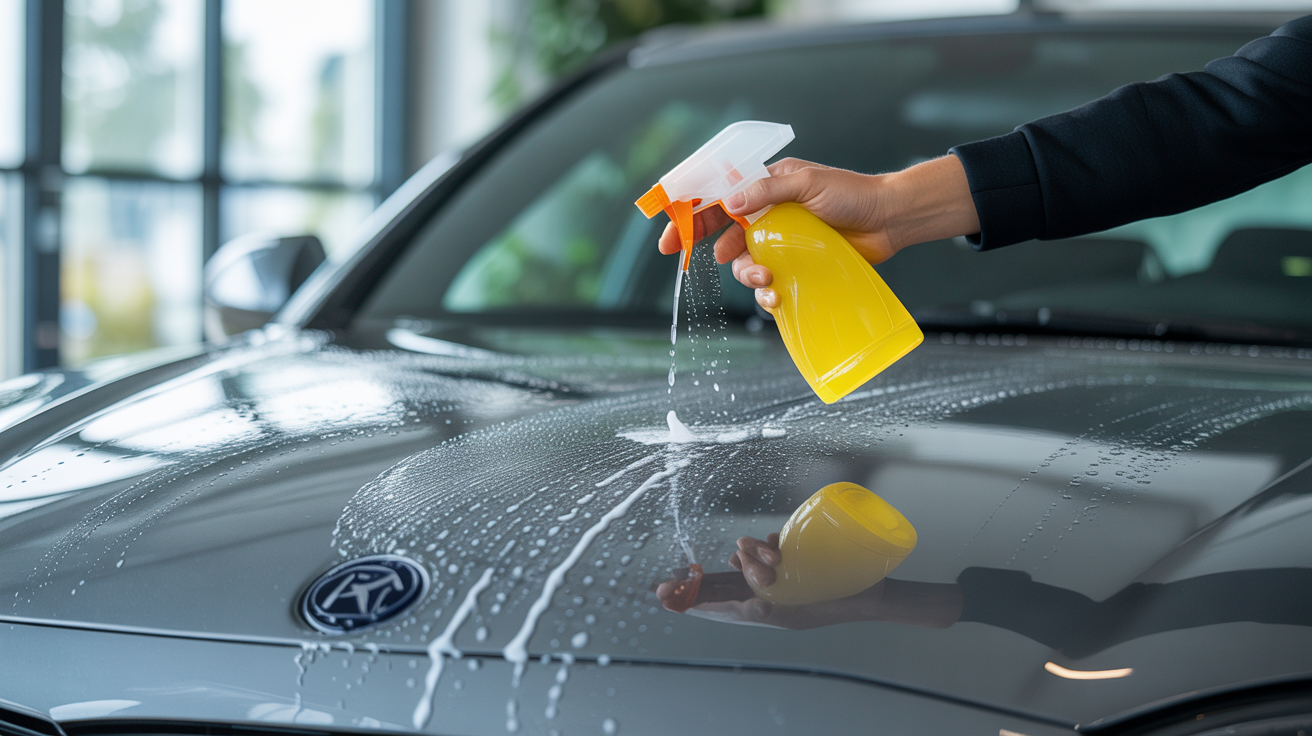
Ceramic coating maintenance isn't complicated, but it is different from caring for a waxed or unprotected car. Done right, the routine keeps the hydrophobic effect strong and the finish looking fresh for two to five years, sometimes longer. The short version: gentle washes, the right soap, and an occasional topper applied every few months.
What a Ceramic Coating Actually Needs From You
A ceramic coating bonds to the clear coat at a molecular level and forms a hard, semi-permanent layer that resists water, UV light, and many chemical contaminants. But it isn't indestructible. Bird droppings, brake dust, industrial fallout, and harsh wash chemicals can degrade it the same way they degrade unprotected paint. The coating just buys you more time and makes cleanup easier.
Ceramic coating maintenance comes down to three things:
- Keeping the surface clean so contaminants don't have time to etch in
- Washing with products and techniques that won't scratch or strip the coating
- Periodically refreshing the hydrophobic layer with a coating-compatible topper
If you skip regular washing and let fallout or bird droppings sit, the coating will still protect better than bare paint, but eventually the acidic or alkaline chemistry of those deposits will eat through it. Frequency matters.
For a deeper look at how ceramic coatings compare to traditional protection options, the guide on wax vs sealant vs ceramic coating covers the tradeoffs clearly.
How to Wash a Ceramic-Coated Car
The wash routine is where most coating damage actually happens. Swirl marks from dirty wash mitts, and high-alkaline soaps that strip the coating, are the two most common culprits. Good technique protects both the paint and the coating beneath it.
Products to Use (and What to Avoid)
Use a pH-neutral car shampoo, sometimes labeled "coating-safe" or "SiO2-infused." These clean effectively without pulling the hydrophobic layer off. Avoid any shampoo described as a "strip wash," "decontamination shampoo," or "wax remover" for your regular maintenance wash. Those products do have a place (the contamination section below explains when), but they shouldn't be your go-to every week.
Dishwashing liquid is another one to skip. It's alkaline and will noticeably reduce the coating's water-beading behavior faster than a neutral car shampoo would.
For application, use a soft microfiber wash mitt with the two-bucket method: one bucket with shampoo solution, one with clean rinse water. Rinse the mitt in the clean bucket before reloading with soap, and you keep the contact dirt out of your wash solution. Swirl marks show more obviously on a high-gloss coated surface, so this detail really does matter.
Step-by-Step Wash Process
- Rinse the car top to bottom first to dislodge loose dirt before anything touches the surface.
- Wash wheels and tires before the body panels. Brake dust and iron particles from wheels contaminate your wash mitt fast.
- Wash one panel at a time, top to bottom, with straight back-and-forth strokes rather than circular ones. Rinse your mitt between panels.
- Rinse each panel before the soap dries. In hot weather, work in the shade and rinse frequently.
- Dry with a clean microfiber drying towel or a forced-air blower. Pat dry rather than dragging the towel, or use a finishing spray to reduce friction during drying.
Wash frequency: every one to two weeks for a daily driver, and after any exposure to road salt, heavy rain, or obvious grime. A coated car sheds water beautifully, but that doesn't mean weeks of dirt accumulation are fine.
Handling Contamination: Iron, Tar, and Water Spots
Even with careful washing, bonded contamination builds up over time. You'll notice it when water stops beading as sharply, or when you run a wet finger across a clean panel and it feels rough or grabby.
Iron Fallout
Iron particles from brake dust embed into coatings just as they do on paint or wax. Use an iron remover (also called a fallout remover) sprayed onto a cool, wet panel. The solution will turn purple-red as it reacts with ferrous particles. Rinse thoroughly. This is safe on cured ceramic coatings and should be done every three to four months, or whenever the surface feels rough despite being clean.
Tar and Bug Residue
These need a dedicated panel wipe or tar remover, not more scrubbing. Apply to a microfiber cloth, not directly to the paint, and work in small areas. Tar removers are generally safe on cured coatings, but check the product label first. Aggressive solvents left on the surface too long can dull the finish.
Water Spots
Hard water deposits from sprinklers or rain that evaporated on a hot panel tend to sit on top of the coating rather than etching straight into the paint. That gives you a bit more time to deal with them. Try a diluted citric acid solution (one part citric acid to ten parts water, or a dedicated water spot remover) first. Apply, wait two minutes, then rinse. For persistent spots, a light pass with a clay bar is safe on most coatings.
If water spots have fully etched through the top layer of the coating (visible as a permanent dull ring after cleaning), you may need to polish that area lightly and apply a topper over it afterward.
Using a Ceramic Topper to Restore Hydrophobicity
A ceramic spray topper, sometimes called a "SiO2 spray sealant," is the simplest way to refresh what the base coating does between annual or biannual maintenance details. These products layer on top of the existing coating and restore the sharp water-beading behavior that diminishes after months of washing.
Apply every two to four months, or whenever you notice the hydrophobic effect has dropped off.
How to Apply a Topper
Start with a freshly washed and dried car, out of direct sunlight. Spray a small amount of topper onto a microfiber applicator pad, spread it thinly across one panel in overlapping strokes, and buff off any residue with a clean microfiber before it hazes. Work one panel at a time. The whole car takes 15 to 30 minutes.
Unlike applying a base coating (which involves careful cure windows and strong bonding agents), toppers are relatively low-stakes. If you miss a spot or spread unevenly, an extra buff-out usually resolves it.
To understand what a topper is actually doing relative to the base coating chemistry, see the guide on what a ceramic coating is and whether it's worth it.
How to Tell When the Coating Is Wearing Down
A coating doesn't fail all at once. It thins gradually, and you'll notice the signs before it's completely gone.
The first sign is reduced water behavior. Instead of sheeting off cleanly or forming tight pearls, water starts spreading flat on the paint the way it does on unprotected clearcoat. That means the outermost layer has thinned substantially.
The second sign is that the paint collects contamination faster and is harder to clean at each wash. A fresh coating lets road grime rinse off with water pressure alone; a worn one needs more soap and more effort to get clean.
The third sign is visible marring or light swirl marks in areas that see the most contact (door handles, the leading edge of the hood, around fuel caps). These can mean the coating has been scratched through by poor wash technique, or simply that it's worn to the point where the paint beneath is exposed again.
If the hydrophobic effect is just reduced, a topper can restore it. If the coating has failed across a large area, a full reapplication is the proper fix. That usually means a paint decontamination step and, in some cases, light polishing before the new coating goes down.
Frequently Asked Questions
How often should I wash a car with a ceramic coating?
Every one to two weeks for a daily driver, roughly the same schedule as an uncoated car. The coating makes each wash easier and reduces the risk of damage, but it doesn't eliminate the need to wash regularly.
Can I take a coated car through an automatic car wash?
Touchless (contactless) automatic washes are generally fine for coated cars, though the high-alkaline soaps many car washes use will wear the hydrophobic layer faster than a hand wash with pH-neutral shampoo. Brush-based tunnel washes can leave swirl marks in the coating and are best avoided.
Do I still need to wax a car with a ceramic coating?
No. Traditional carnauba wax applied over a ceramic coating does very little; the coating is harder than wax and wax won't bond to it meaningfully. Ceramic spray toppers are the right product for refreshing a coated car's protection between base-coating applications.
What can damage a ceramic coating?
Bird droppings and tree sap left sitting for more than a few hours, harsh alkaline cleaners, overly aggressive polish work, and acid-based wheel cleaners splashed onto painted panels. Even coated cars need bird droppings removed promptly.
How long does ceramic coating maintenance take?
A careful weekly wash takes 30 to 45 minutes. Iron decontamination every three to four months adds another 15 minutes. Applying a topper is 15 to 30 minutes of work. The total time commitment per year works out to roughly four to six hours, which is considerably less than the time you'd spend polishing fallout-damaged unprotected paint.