Tools & Products
Choosing a Vacuum for Car Interiors
Find the best vacuum for car detailing with this practical guide covering suction specs, attachment must-haves, and which vacuum type suits your setup.
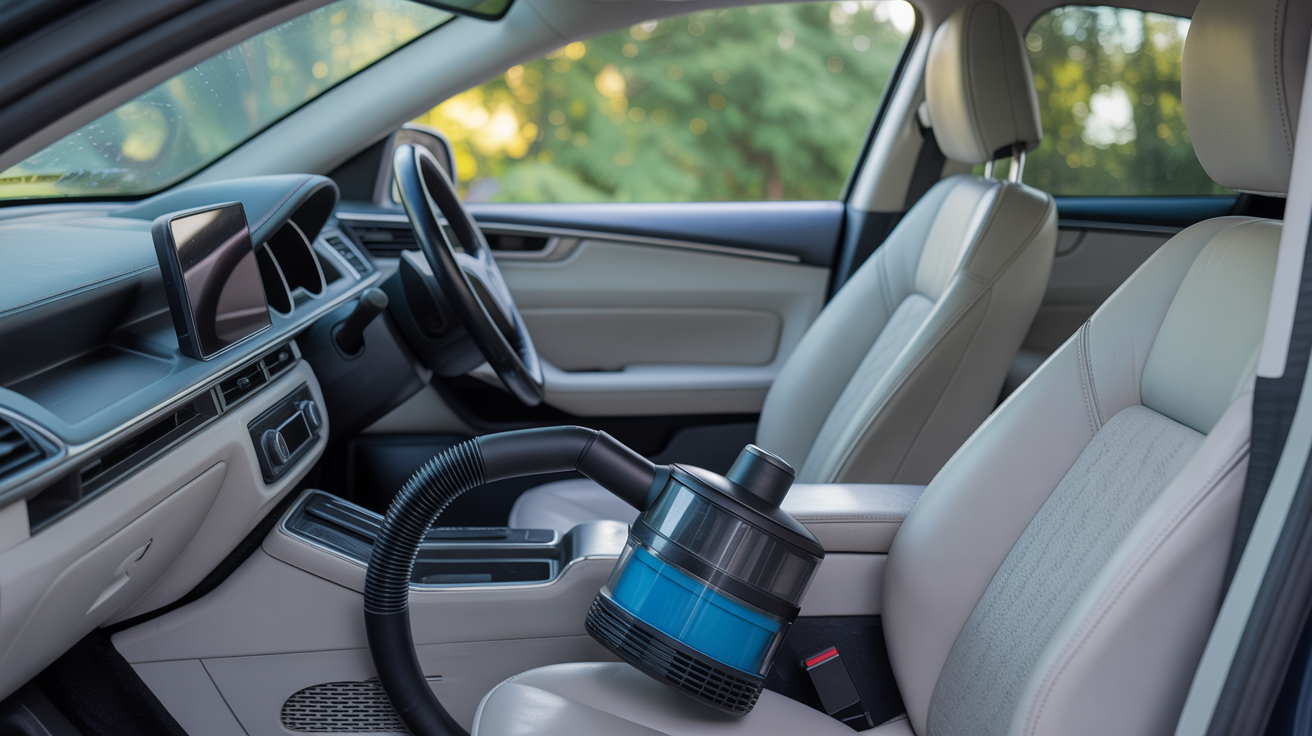
The right detailing vacuum makes a real difference in how quickly and thoroughly you can clean a car interior. Not every vacuum sold as a "car vac" is actually built for the job, and not every shop vac that works on a garage floor is practical for reaching under seats. This guide breaks down what actually matters so you can pick a vacuum that does the work without getting in your way.
What the Specs Actually Tell You
Vacuum packaging throws around motor-watt numbers that say very little about real cleaning performance. A 1,000-watt vacuum is not automatically better than a 600-watt one; motor watts describe power draw, not how well the machine pulls debris from carpet fibers.
Airflow: The Number That Matters Most
The more useful figure is airflow, measured in CFM (cubic feet per minute). For a detailing vacuum working on upholstery and carpet pile, you want at least 50-60 CFM at the nozzle. Air watts combine suction and airflow into one number, and anything above 100 air watts will handle dried mud, sand, and pet hair without much effort. Below 80 air watts and you will find yourself making multiple passes over stubborn debris.
Cordless handheld vacuums often advertise their peak suction figures, which are measured with no airflow at all. Real-world performance at the nozzle is considerably lower. A 20V cordless unit with 50 air watts peak will perform closer to 30-35 air watts during normal use, which is still adequate for crumbs and loose dirt but will struggle with packed carpet fiber.
Hose and Cord Length
A hose shorter than 5 feet (150 cm) makes the back seat of any sedan awkward to reach. The ideal is 6-7 feet (180-215 cm) of hose from canister to nozzle tip. If you are working with a shop vac that has a rigid hose extension, check that you can add a flexible hose segment without losing too much suction through friction.
Cord length on corded models matters more than it might seem. A 10-foot (3 m) power cord is too short to reach across a full-size SUV from most driveway outlets unless you add an extension cord. Look for 16-20 feet (5-6 m) of cord on portable corded units, or plan for a quality extension cord rated for your vacuum's amperage.
Handheld and Cordless Vacuums
Cordless handhelds are the first thing most people reach for, and they are genuinely useful for quick sessions between full details. A good unit runs 20-25 minutes on a charge, which is usually enough to vacuum one car's front cabin or back seat in a single pass. The limitation is capacity. A 0.5-liter dust cup fills up faster than you expect on a car that has not been vacuumed in a few weeks.
Where Cordless Works Well
Cordless handhelds shine for touch-up work: vacuuming out cup holders, clearing the sill channels between sessions, or a quick pass before returning a rental. They are also the obvious choice if you live in an apartment without easy outdoor outlet access.
The crevice tool included with most cordless units is narrow enough to get into seatbelt slots and between center console buttons, which is genuinely one of the harder spots to clean with a larger machine.
The Battery Trade-Off
Batteries degrade over time. A cordless vacuum that covers a full interior detail comfortably in its first year may not complete the same job two years later. If you detail frequently, a separate charged battery or a second battery pack that ships with the machine is worth paying extra for.
Portable Corded Vacuums
A portable corded vacuum in the 4-7 amp range (roughly 400-700 watts motor draw) is the most practical choice for regular at-home detailing. These machines weigh 5-8 lbs (2.3-3.6 kg), sit on the ground beside the car, and run indefinitely without worrying about battery life.
Suction on this class of machine is consistent. You get the same pull on minute one and minute forty-five, which matters when you are working through seat crevices with a stiff-bristle brush and need the vacuum to keep pace.
The trade-off is the cord and hose management. With a corded vacuum next to the car, you end up repositioning it several times during a full interior clean: once for the front, once for the rear, once more if you are doing the trunk. It is minor, but worth knowing if you want to compare it to the frictionless experience of a cordless unit on small jobs.
Wet/Dry Shop Vacuums
A wet/dry shop vac in the 5-8 gallon (19-30 L) range gives you the most raw cleaning capability of any option here. Typical airflow on a decent shop vac is 100-150 CFM, which is enough to pull sand and grit out of carpet pile in a single pass. The wet capability means you can extract water after shampooing carpets or mop up a spilled drink without reaching for a separate extractor.
Size Matters in Practice
A 16-gallon (60 L) shop vac is overkill for car work and awkward to position next to an open car door. A 5-6 gallon unit (19-23 L) is much easier to maneuver and still has enough capacity to handle a trunk full of debris without stopping to empty mid-job.
The standard 1.25-inch (32 mm) shop vac hose is wider than the crevice tools on dedicated car vacuums, so you will need to use an adapter or a purpose-made narrow crevice attachment to reach seat rails and door pockets. Most shop vacs include a basic set of attachments, but the narrow upholstery nozzle is often the first one you will wish you had bought separately.
If you already own a shop vac for the garage, it is worth trying it on your car before buying a separate machine. Many people find their existing shop vac handles 80% of the interior work fine once they have the right attachment.
See the full breakdown of what you need to start detailing at home in our car detailing kit guide.
Attachments That Actually Get Used
Vacuums often ship with attachments that look comprehensive but rarely get touched. The ones that matter for car work specifically:
- Narrow crevice tool: The longer and narrower, the better. A 12-15 inch (30-38 cm) crevice tool reaches under seats and into seatbelt guides without contorting your wrist.
- Brush nozzle: A soft-bristle brush nozzle agitates fabric upholstery and loosens debris at the surface before suction pulls it out. Essential for carpet and cloth seats.
- Upholstery tool: The wide, flat tool with a fabric strip. Useful for headliners and door panels where a bare nozzle edge risks scuffing soft material.
- Flexible crevice extension: A short section of flexible hose between the main hose and the nozzle lets you angle into the gap between the seat and center console without awkward positioning.
Attachment compatibility is worth checking before buying. The standard hose diameters are 1.25 inches (32 mm) for shop vacs and 1.375 inches (35 mm) or 1.5 inches (38 mm) for many portable car vacuums. Third-party attachment sets are widely available and usually cheaper than buying accessories from the vacuum's own brand.
For keeping those accessories clean between uses, the same principles that apply to choosing microfiber towels for detailing hold here: store them clean and dry so they are ready to work next time.
Filters and Dust Containment
Car interiors contain fine particles from brake dust (on floor mats near the pedals), pollen, and general road grime. A vacuum with only a basic foam filter recirculates some of that fine dust back into the cabin air. A HEPA filter or a certified fine-dust filter captures particles down to 0.3 microns and keeps the air inside the car cleaner during the job.
If you have allergies or are detailing a car that has been used to transport pets, a HEPA filter is worth the premium. On shop vacs, HEPA filter bags are available separately for most major brands and cost $5-15 more than standard bags.
Bagless canisters are convenient but require care when emptying: tip them into a trash bag rather than shaking them out, or you will kick up a cloud of fine dust right next to the car.
Frequently Asked Questions
Can I use a regular household vacuum on my car?
Yes, with a long hose and the right attachments. The main limitation is reach: most upright vacuums will not fit alongside an open car door without awkward maneuvering. A canister-style household vacuum with a 6-foot (180 cm) hose and a crevice tool is more practical than an upright. Suction is usually adequate for routine cleaning.
Is a wet/dry vacuum necessary for car detailing?
Not for routine maintenance, but useful if you shampoo carpets or deal with liquid spills. The wet capability turns one machine into both a dry vacuum and a basic extractor. If you only vacuum dry interiors, a good portable corded vacuum does the job with less bulk.
How many CFM do I need for car upholstery?
50-80 CFM handles most car upholstery and carpet well. If you are dealing with deeply embedded pet hair or heavily soiled carpet, 100+ CFM and a brush attachment together will clear it faster than raw suction alone.
What hose diameter works with most car vacuum attachments?
The two most common sizes are 1.25 inches (32 mm) and 1.375 inches (35 mm). Most purpose-built car vacuum accessories use the smaller size; most shop vacs use 1.25 inches. If you buy attachments separately, confirm the inner diameter of your hose before ordering.
How often should I vacuum my car?
For most daily drivers, a quick vacuum of the floor mats and front carpet every two weeks keeps debris from grinding into the fibers. A full interior vacuum, including under the seats and in the trunk, every month or so is a reasonable baseline. High-traffic vehicles (kids, dogs, frequent passengers) may need weekly attention to the floor areas.